Manufacturing ERP Software for Modern Manufacturers
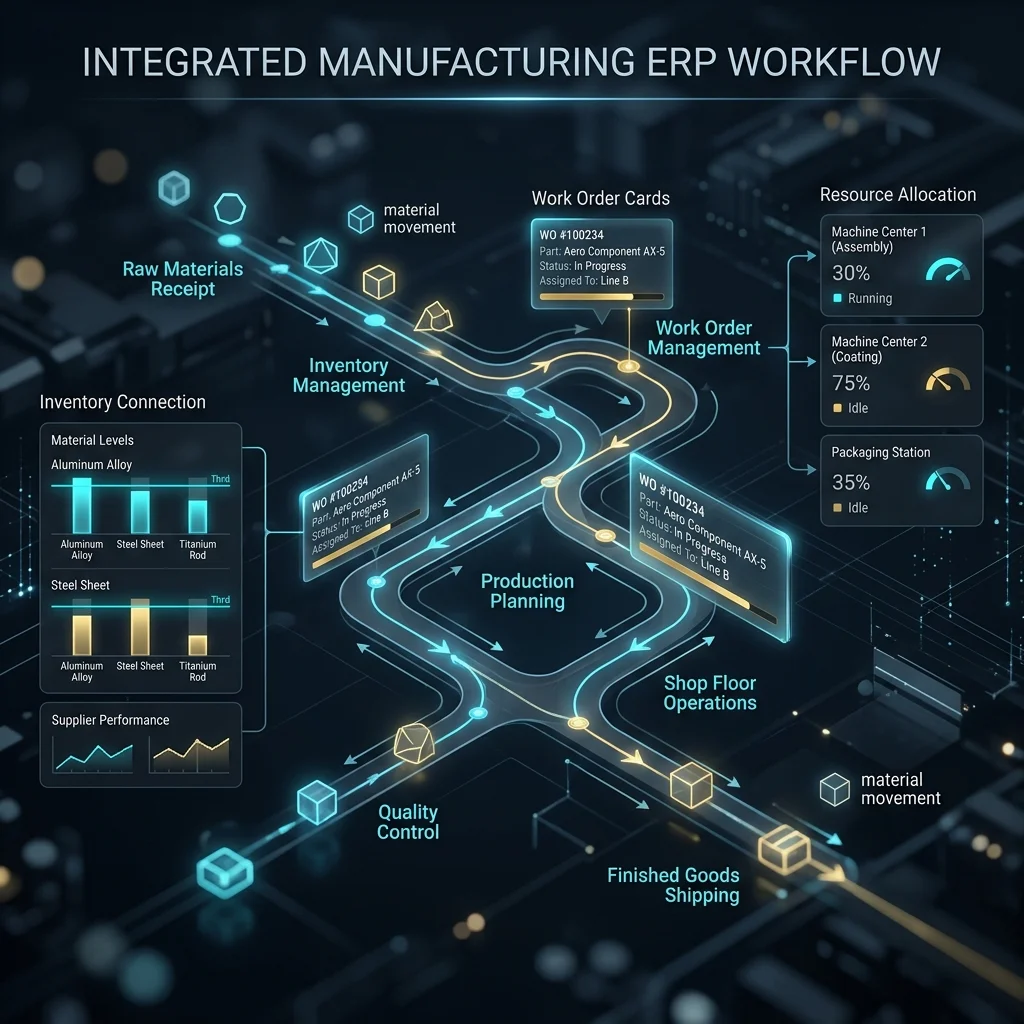
Manage production routing, bills of materials (BOM), active inventory levels, procurement cycles, product quality assurance, and real-time costs from one unified, enterprise-grade platform.
Whether you operate a food processing plant in Sri Lanka, a garment factory in Bangladesh, an industrial plant in , or a manufacturing facility in the Maldives, ERPNextGen provides localized compliance and scale to boost your margins.
Tailored Modules for South Asian Manufacturers
We configure ERPNext to handle the precise compliance standards, operational parameters, and shop floor workflows of your industry.

🔹 Food Manufacturing ERP
Track recipe yields, batch expiry dates, ingredients, allergen warnings, and HACCP compliance logs for consistent safety and taste.

🔹 Plastic Products ERP
Manage injection molds, track masterbatch ratios, calculate regrind material usage, and monitor machine cycle times (OEE).

🔹 Rubber Products ERP
Control chemical compounding weights, vulcanizing duration, curing press scheduling, and rubber raw material shelf lives.

🔹 Medical Device ERP
Achieve end-to-end trace auditing, double signature approvals, cleanroom logs, and rigorous quality check sheets.

🔹 Furniture Manufacturing ERP
Configure-to-Order (CTO) variant control, dimension sizing worksheets, wood kiln moisture level checks, and workshop scheduling.

🔹 Textile & Garment ERP
Track fabric rolls, control dye formulation recipes, manage CMT (Cut, Make, Trim) subcontracting, and verify line production stats.
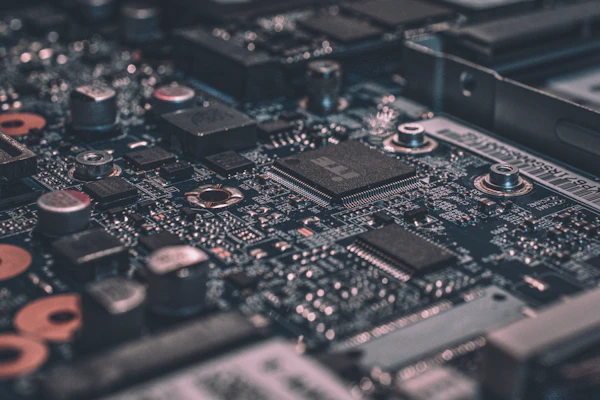
🔹 Electronics & Assembly ERP
Manage high-density BOM components, alternative component lists, circuit board serialization, and batch tracking.
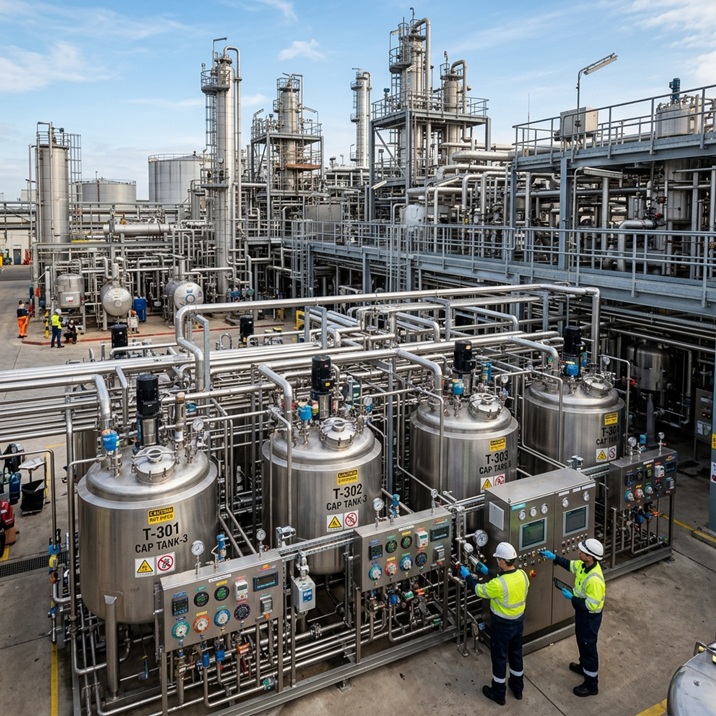
🔹 Chemical Manufacturing ERP
Formulation percentage logic, density calculations, chemical storage checks, safety sheets, and multi-packaging runs.

🔹 Metal Fabrication & Job Work
Track cutting jobs, scrap weights, machine routing, workshop scheduling, and outsource operations like heat treatment.
Under the Hood: ERPNext Core Manufacturing Modules
Explore the functional building blocks that bring comprehensive data visibility and control to your factory managers.
1. Multi-Level Bill of Materials (BOM)
Establish a single source of truth for your product recipes and structures. ERPNext supports nested assemblies, alternate materials for when standard stock is delayed, and precise scrap factor calculations.
Enterprise Features: BOM Revision Controls, Production Routing Linkages, Live Cost Rollups, and Alternate Item Substitution rules.

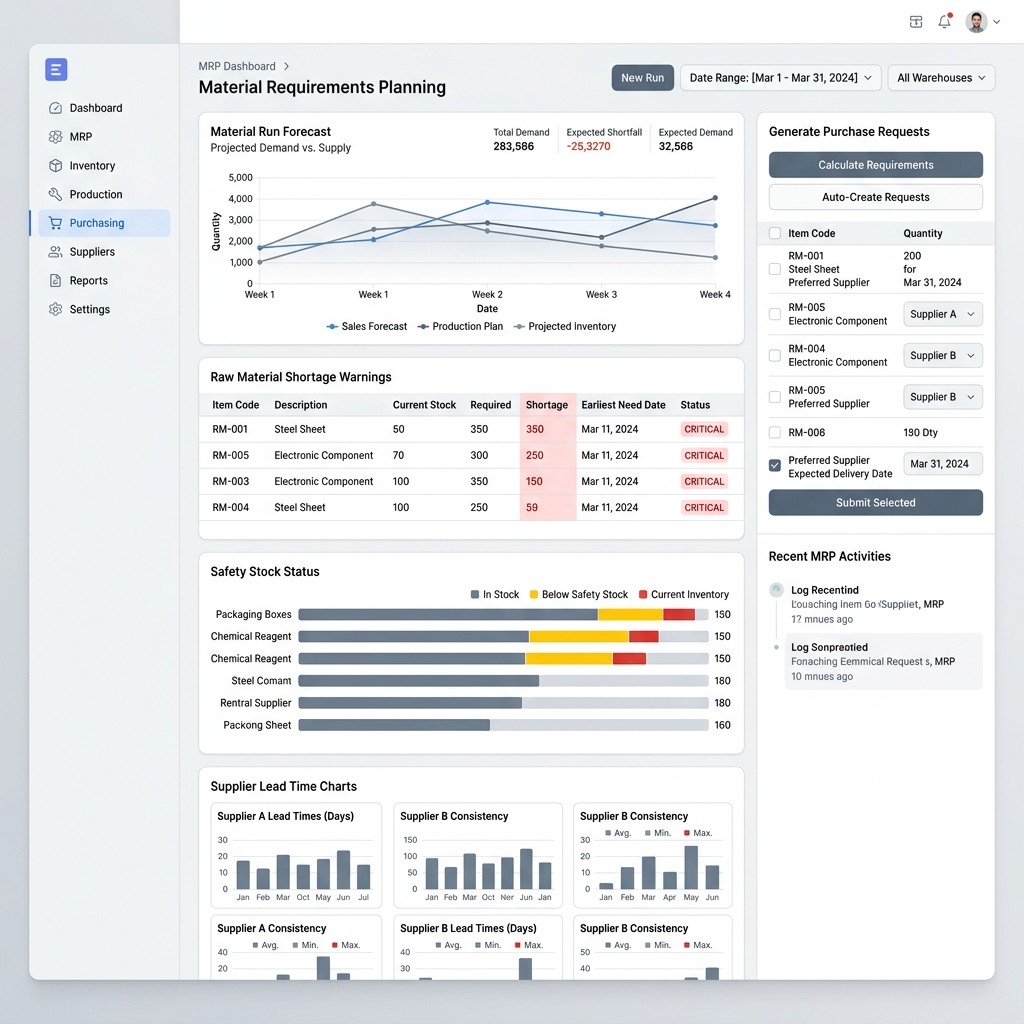
2. Just-In-Time Material Requirements Planning (MRP)
Eliminate emergency purchases and production delays. The MRP engine analyzes active sales orders, forecast demand, and manufacturing schedules to generate purchase requests and factory work orders automatically.
South Asia Ready: Factor in supplier lead times, custom transit buffers, and raw material safety stocks for ports or local logistics delays.
3. Workstation Scheduling & Capacity Planning
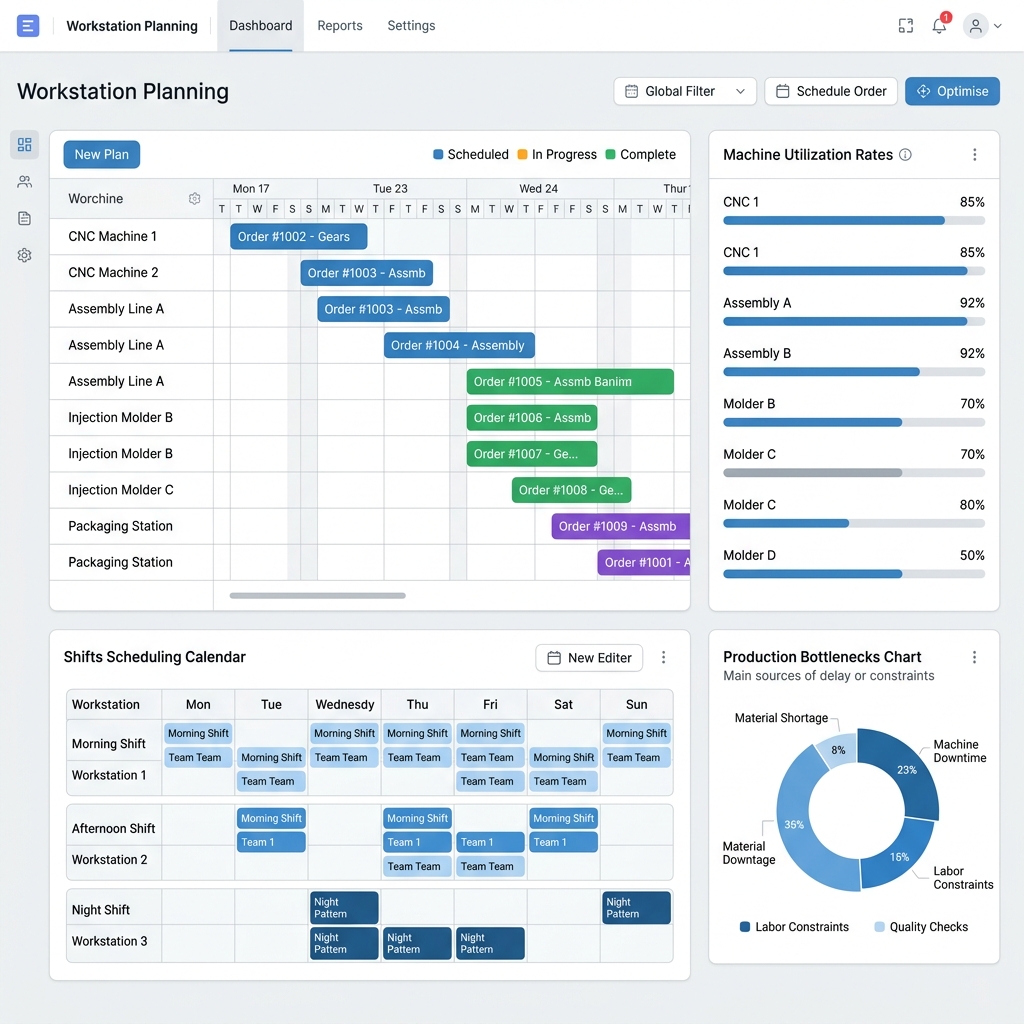
Map work steps to specific workstations, machines, or manual assembly lines. Prevent scheduling overlap, calculate machine availability times, and keep an eye on operational bottlenecks using interactive Gantt charts.
Optimization: Manage shifts, plan preventative machine maintenance, track actual machine times vs. standard estimations, and calculate workstation rates.
4. Real-time Shop Floor & Job Card Tracking
Empower operators to update production stats as they happen. Ditch error-prone clipboards for a touch-friendly tablet interface. Machine operators can instantly start tasks, log scrap quantities, and signal status updates.
Visibility: Log workstation runtimes, track employee work hours, identify production speed variances, and calculate OEE metrics.

5. Subcontracting & Job Work Integration
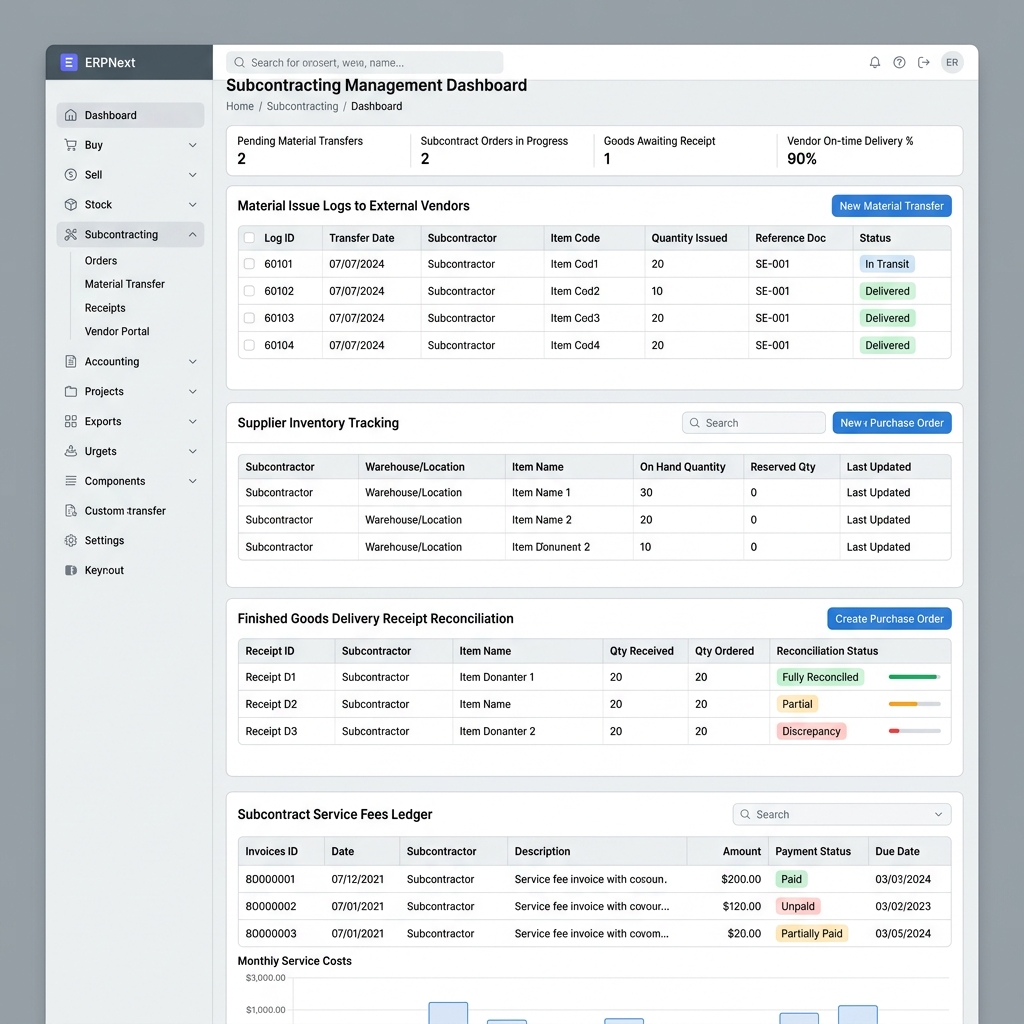
Outsourcing special processes like fabric dyeing, powder coating, or metal plating? ERPNext automatically controls subcontracting. Track the raw materials supplied to your external vendor and reconcile them with final finished parts received.
Accounting: Track job service fees separately and roll them up into the total production cost of the final item.
6. Cost Calculation & Variance Analysis
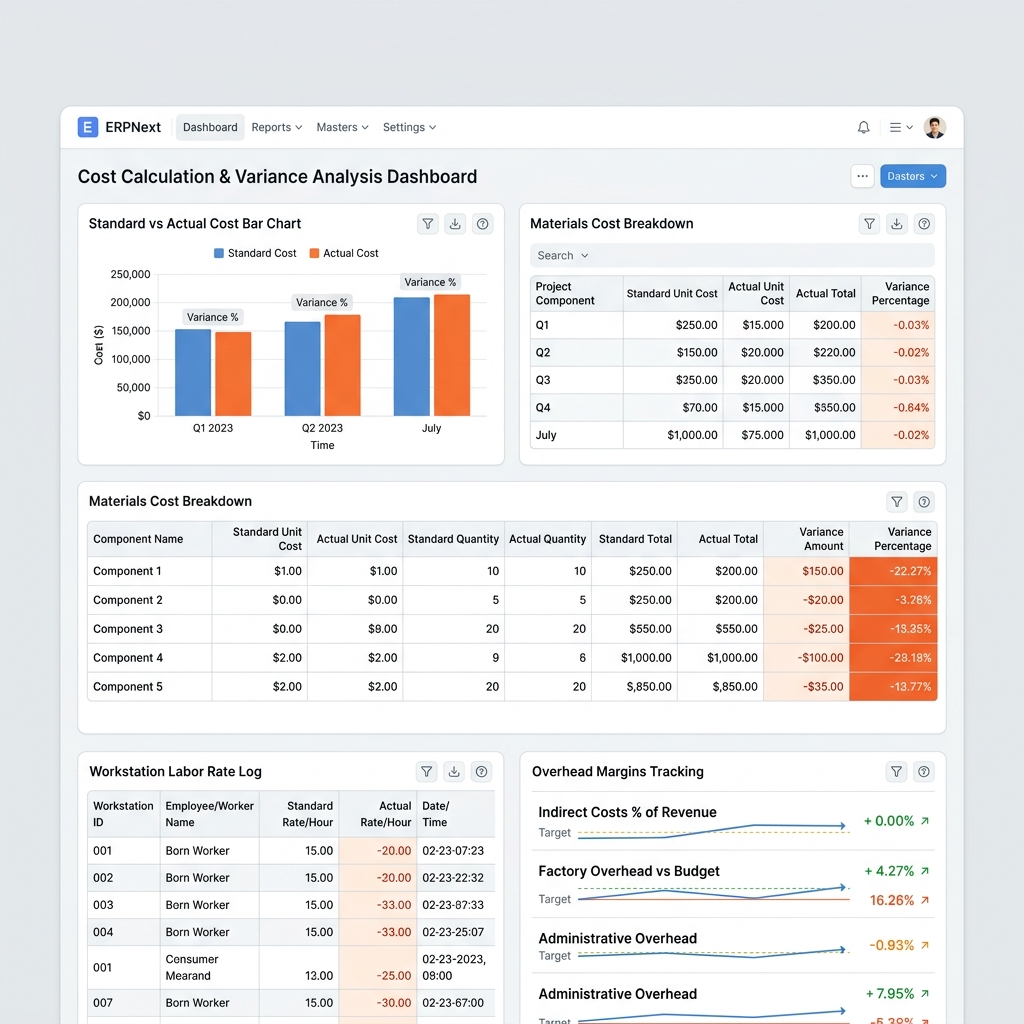
Gain exact visibility over your profits. Map the actual costs of materials, workstation labor rates, machine energy, and plant overheads against your target standard costs to trace operational variances.
Audit-Ready: Deep valuation integrations with stock ledger records, standard journal entries, and automated cost of goods sold calculations.
Extended Modules for Total Control
Go beyond scheduling. Connect your manufacturing processes to accounting, purchasing, sales, and modern AI capability.
Ask ERP: AI Manufacturing Assistant
Ditch manually searching through endless production sheets. Ask the ERP Assistant questions in natural English, Sinhala, Tamil, or Bangla to get instant data reports.
🔹 Quality Assurance
Standardize quality check points for raw materials at delivery and finished products before warehousing. Record inspector names and pass/fail counts.
ISO & GMP Ready🔹 Batch & Serial Tracking
Trace raw material batches right from purchase receipt to final customer invoice. Enable automated reorder limits to prevent stockouts.
FIFO & Expiry Control🔹 Purchasing Integration
Directly connect production requests to purchasing cycles. Track supplier delivery timelines and analyze supplier quotes dynamically.
Automated RFQs & POs🔹 Executive Dashboards
Track active production outputs, monthly overheads, and machine OEE metrics on dashboards designed for tablet, desktop, or mobile devices.
Real-time Business IntelUser License Cost Comparison
See how license fees scale as your team grows. Traditional ERP vendors charge per user, which means licensing costs skyrocket as you add warehouse clerks, technicians, and operators. With ERPNextGen, you pay zero per-user software licensing fees.
Select Your Staff User Count
Ditch Spreadsheets. Automate the Factory Floor.
Traditional ERP software imposes costly licensing fees that make shop floor deployment prohibitive. ERPNext delivers enterprise capabilities with zero per-user software licensing costs.
🔹 Common Factory Pain Points
🔹 Business Benefits Achieved
Frequently Asked Questions
Have questions about implementation, server hosting, or customization? Find quick answers below.
How does ERPNext integrate with existing CAD/PLM systems or external machinery?
Can we run shop floor operations offline if the internet connection drops?
Does ERPNext support multi-level BOMs and subcontracting operations in a single work order?
What is the typical timeline and process for migrating from legacy ERPs or spreadsheets?
Is there a limit on the number of factories, warehouses, or cost centers we can manage?
Modernize Your Factory Operations Today
Ditch complex spreadsheets and siloed legacy systems. Enable real-time operational visibility, optimize resource schedules, reduce manufacturing waste, and protect your margins.
Request a Consultation & Live Demo